
When Light Reveals the Invisible: Rosalind Franklin and the Mystery of DNA
By Katherine E.A. Korkidis
Some of the most important discoveries in science begin with something most people would overlook.
A shadow.
A pattern.
A faint image on a piece of film.
A question that refuses to disappear.
In Rosalind Franklin’s DNA Discovery, the fifth book in Dr. K’s Portal Through Time, Jennifer and Daniel travel through Dr. K’s time portal to mid-century England, where they meet one of the most important scientists connected to the discovery of DNA’s structure: Rosalind Franklin.
For young readers, this journey is more than a trip into the past. It is an invitation to see science as a careful search for truth.
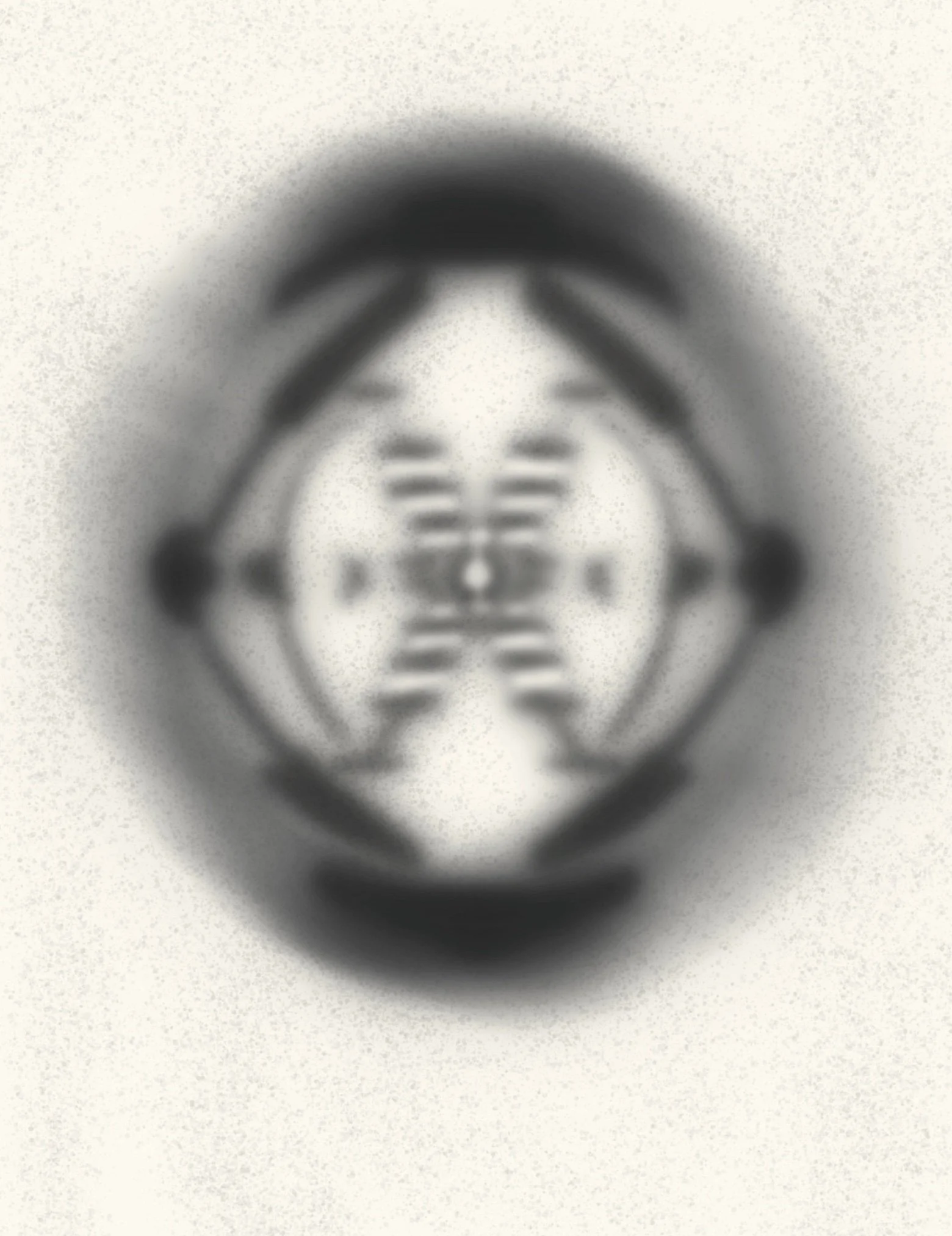
When Jennifer and Daniel step into Franklin’s laboratory, they do not find flashing machines or instant answers. They find notes, instruments, prepared samples, and a scientist who understands that evidence must be treated with respect. Rosalind Franklin’s work with X-ray diffraction helped scientists study structures too small to see directly. Her famous Photo 51 offered crucial clues about the shape of DNA, including evidence that pointed toward the double helix.
That is one of the beautiful lessons in this story. Children learn that a scientific image is not always a simple photograph. Sometimes it is a pattern that must be read carefully. Sometimes the most important evidence arrives quietly.
Rosalind Franklin teaches Jennifer and Daniel that science is not guessing. It is observing, testing, measuring, comparing, and thinking with discipline. Her laboratory becomes a place where young readers can begin to understand how invisible things can become knowable.
DNA carries instructions inside living things. It helps explain inheritance, growth, and the astonishing connection between generations. But before scientists could understand what DNA does, they needed to understand how it was shaped. Structure matters. In Book 5, that idea becomes clear through story, conversation, and discovery.
For children ages 8–12, this kind of storytelling can make science feel alive. Instead of memorizing terms, they watch Jennifer and Daniel ask questions. They see confusion become curiosity. They see curiosity become understanding.
That is the heart of Dr. K’s Portal Through Time.
The past becomes a doorway.
Science becomes an adventure.
And a single pattern of light becomes a way to understand life itself.